Institute Directors
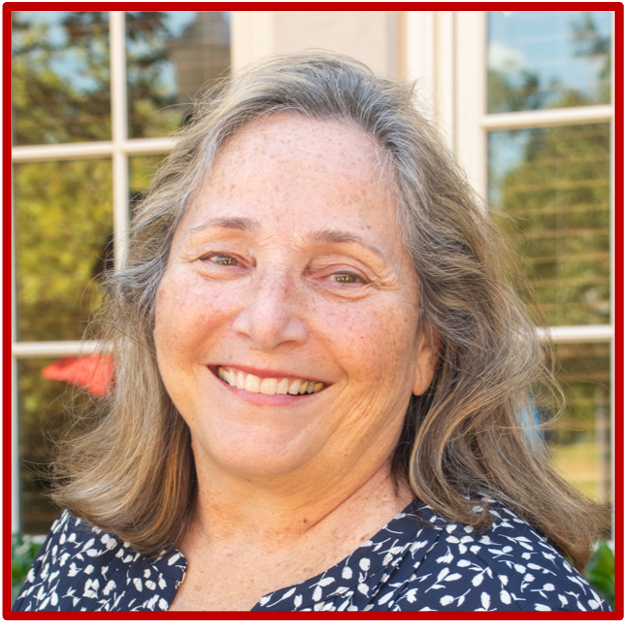
Kathleen A. Brosnan is an Associate Professor and the Paul and Doris Eaton Travis Chair of Modern American History at OU. Among other publications, she is the author or editor of seven books on the history of the American West, environmental history, and the history of cartography, including most recently, Mapping Nature Across the Americas (Chicago, 2021) and The Greater Plains: Rethinking a Region’s Environmental Histories (Nebraska, 2021). As a public historian, among other activities, she consulted on museum exhibits, such as The Frontier in American Culture at the Newberry and The Modern West at the Museum of Fine Arts, Houston. Brosnan previously co-directed two NEH Summer Institutes at the Newberry Library, one for university and college faculty in 2014 and one for K-12 teachers in 2021.
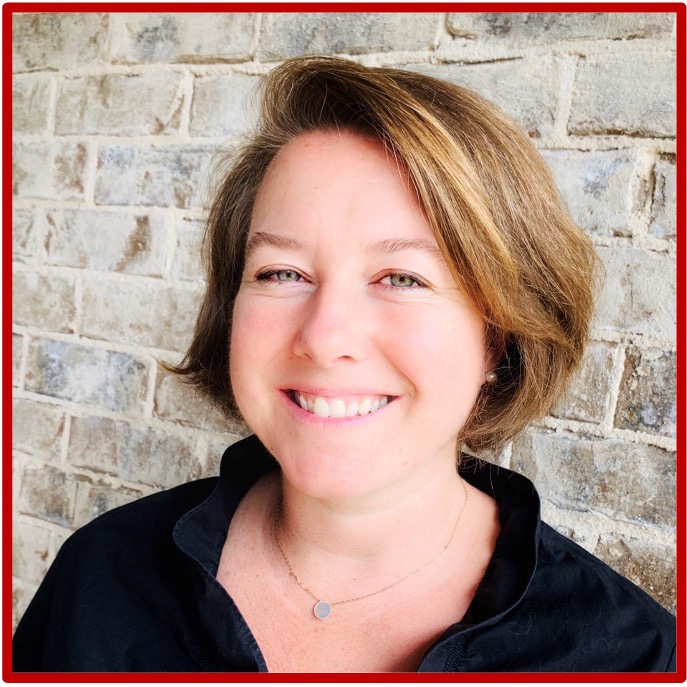
Emily C. Burns is the director of the Charles M. Russell Center for the Study of Art of the American West and an Associate Professor of art history at OU. Burns is a scholar of the transnational nineteenth century, with an interdisciplinary research practice that analyzes artists and works of art moving through space and between cultures, with a focus on relationships between U.S. and Native American artists, as well as dialogues between French, U.S., and Native American artists. She is author of Transnational Frontiers: the American West in France (Oklahoma, 2018) and co-editor of Mapping Impressionist Painting in Transnational Contexts (Routledge, 2021) and Routledge Companion to Art and Empire: Aesthetics and Imperialism, 1800-1950 (Routledge, forthcoming 2024), as well as co-editor for an issue of Transatlantica on the American West in France (2019).
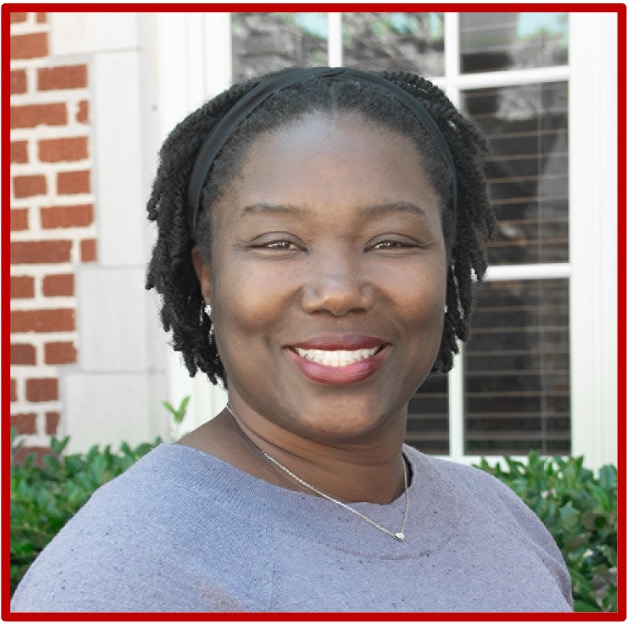
Kalenda Eaton is a Professor in the Clara Luper Department of African and African American Studies at OU and director of Oklahoma Research for the Black Homesteader Project funded by the National Park Service in partnership with the Center for Great Plains Studies. She regularly publishes on African American western history, and representations of the American West in African American literature. She is the editor of a recent Great Plains Quarterly special issue on Black Oklahoma (2023), and a board member of Oklahoma Humanities. She is also co-PI on a 2024 NHPRC-Mellon Planning Grant for Collaborative Digital Editions in African American, Asian American, Hispanic American, and Native American History and Ethnic Studies designed to create a public-facing digital archive of African American visual artists in Oklahoma.
Other Lecturers
Yve Chavez is a member of the Gabrieleño/Tongva San Gabriel Band of Mission Indians and Assistant Professor at the University of Oklahoma specializing in Native American art, with a focus on California Indian visual culture and the Franciscan missions. She is working on the artistic contributions of Indigenous peoples at California’s missions, Native agency in early modern exchange networks, and the survivance of California Indian material culture.
Alison Fields is the Mary Lou Milner Carver Professor of Art of the American West. Co-editor of Western History Quarterly, she works on post World War II atomic age narratives in the West as well as western film and visual culture. She is author of Discordant Memories: Atomic Age Narratives and Visual Culture (Norman: University of Oklahoma Press, 2020).
Anthony Gomez III is an Assistant Professor of English at the University of Oklahoma. He conducts research and teaches in the fields of American Literature, energy humanities, early film, Latinx and Indigenous studies, and environmental criticism. He is currently working on his first book, Intimations of Energy: The Tragic Promise of California’s Carbon Democracy, which uncovers political and environmental resistances that emerge from the study of energy and energy systems in the Southwest following the Mexican-American War.
Kenneth Haltman is H. Russell Pitman Professor of Art History. His scholarship focuses on intersections between art, science, survey and mapping with a material culture studies approach in the early nineteenth century. His publications include American Artifacts: Essays in Material Culture, co-edited with Jules Prown (Michigan State University Press, 2000), Looking Close and Seeing Far: Samuel Seymour, Titian Ramsay Peale, and the Art of the Long Expedition, 1818-1823 (Penn State University Press, 2008), and Butterflies of North America: Titian Peale’s Lost Manuscript (Abrams, with the American Museum of Natural History, 2015).
Alicia Harris is an Assistant Professor of Art History teaching courses on Native American Art and presently completing a book on Native American Land Art which analyzes the long history of people creating visual form that places them in relationship to the land, both as installation (large body orienting earthworks and public works) and as reference (cartography and interpretive abstractions of place). Alicia is Assiniboine, enrolled in the Fort Peck Assiniboine and Sioux Tribes.
Joanna Hearne is the Jeanne Hoffman Smith Professor in the Film and Media Studies department at the University of Oklahoma. Her research centers on Native American and global Indigenous media studies, archival recoveries of Indigenous presence in cinema history, and contemporary digital media, digital storytelling, and animation. She is the author of Native Recognition: Indigenous Cinema and the Western and Smoke Signals: Native Cinema Rising and the co-editor of ReFocus: The Films of Wallace Fox.
Farina King (Diné) is the Horizon Endowed Chair of Native American Ecology and Culture and Associate Professor of Native American Studies. She is an oral historian working on Indigenous experiences in colonizing forms of education, such as at federal American Indian boarding schools who co-authored a book on creative practice at the Intermountain Indian School. She is also author of The Earth Memory Compass: Diné Landscapes and Education in the Twentieth Century (University Press of Kansas, 2018); and Diné dóó Gáamalii: Navajo Latter-day Saint Experiences in the Twentieth Century (University Press of Kansas, 2023).
 Visual Wests NEH Institute